
Zillow Chicago: Why Chicagoland Is Growing Backwards and Where Buyers Are Going
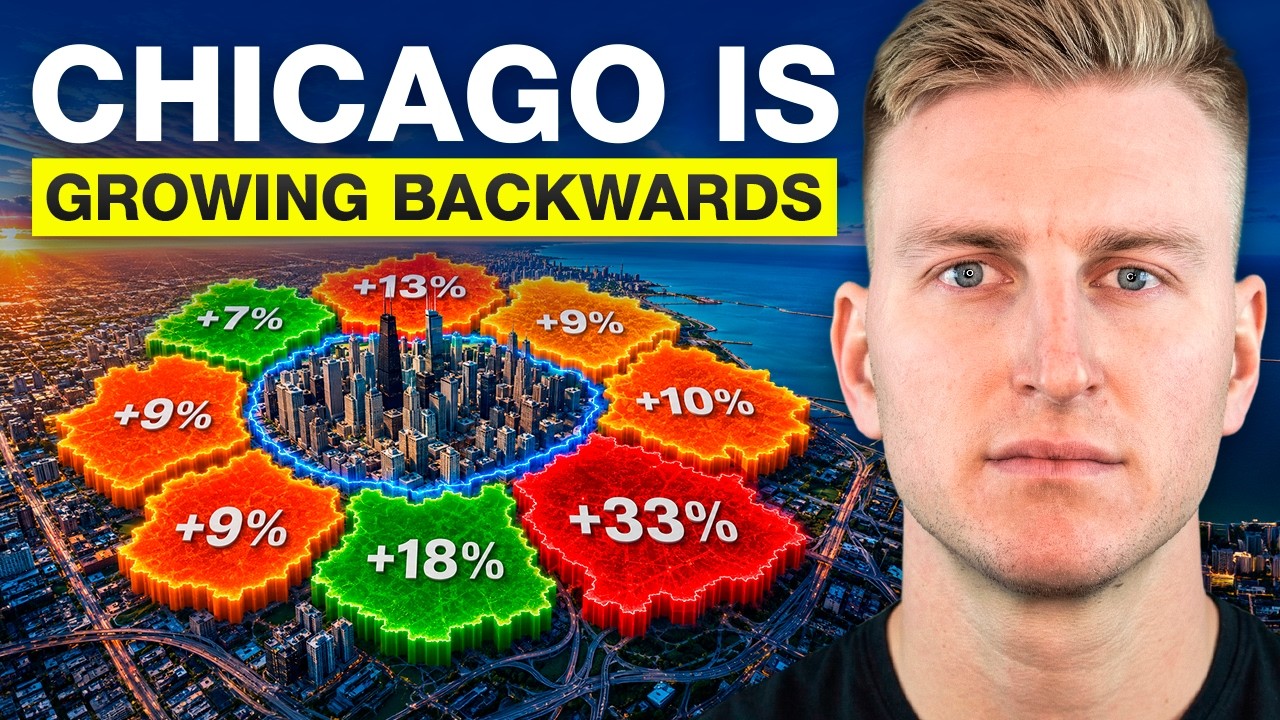
If you have been searching zillow chicago and wondering why so many buyers are looking farther from the city, the answer is bigger than one hot suburb or one pandemic-era relocation trend. Chicagoland is experiencing a real redistribution of people, housing demand, and investment capital.
Cook County has lost nearly 90,000 residents since 2020, while the collar counties surrounding it are gaining ground. The fastest-growing county in Illinois is Kendall County, southwest of Chicago. Will County has added the most people among the collar counties and now has well over 700,000 residents.
That does not mean Chicago is suddenly irrelevant. It means the old rule that growth always moves toward the center is not playing out the same way here. More buyers can work remotely, more new homes are being built farther out, and many existing homeowners are locked into ultra-low mortgage rates that keep resale inventory tight closer to the city.
Chicago’s Growth Is Moving Outward
In a typical major metro area, jobs, culture, and opportunity pull people toward the city center. In Chicagoland, the numbers are showing a stronger movement in the other direction. Buyers are moving outward into the collar counties, especially where developers still have enough land to build full subdivisions.
Cook County, which includes Chicago, has lost nearly 90,000 residents since 2020. Meanwhile, DuPage, Kane, Lake, McHenry, and Will counties are all growing. The biggest momentum is not necessarily in the most established suburbs. It is stacking up closer to the outer edge of the metro area.
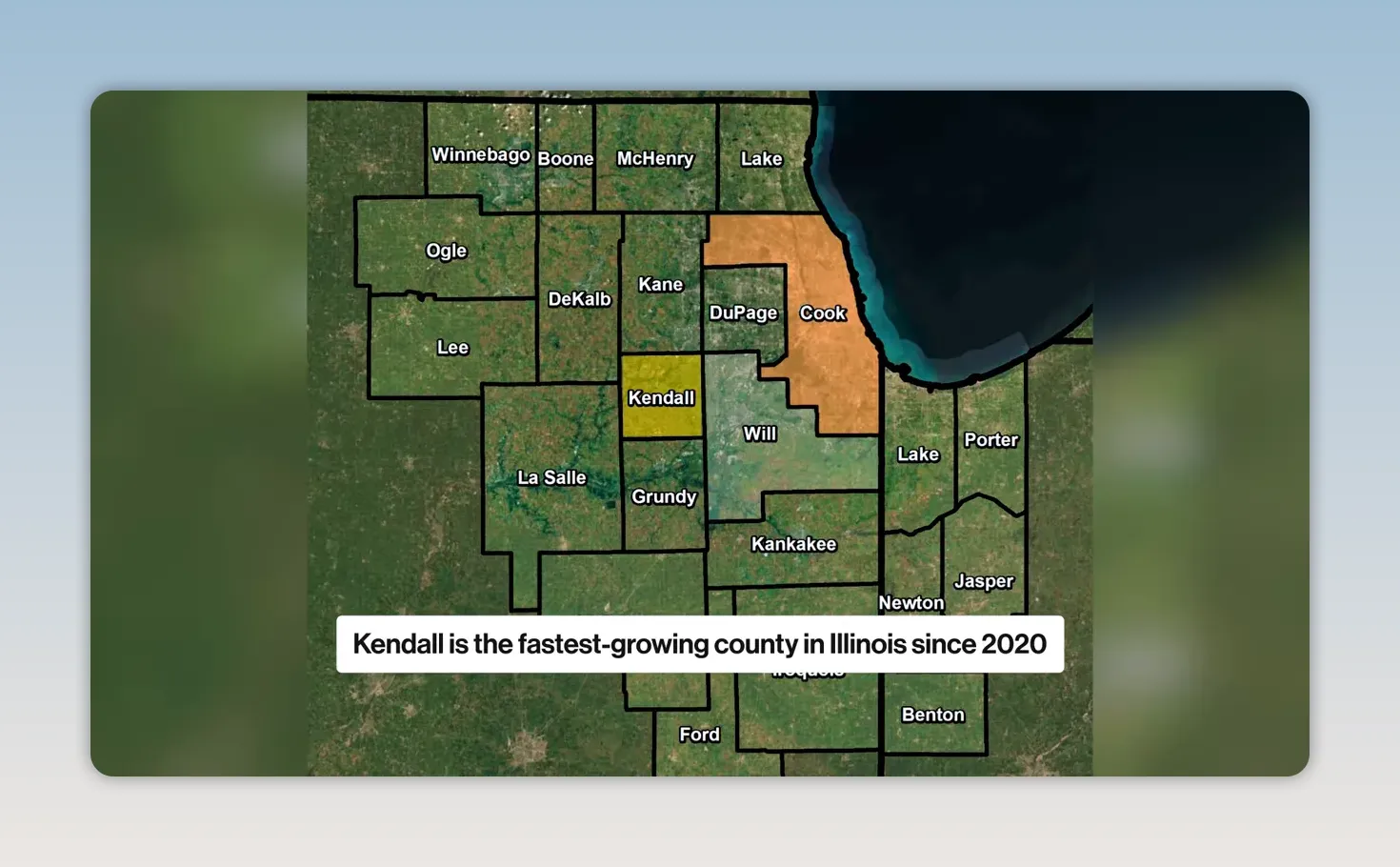
Kendall County is up roughly 8% to 10% since the pandemic began, which stands out in a state with relatively flat overall population growth. Will County has added the most residents among the collar counties. McHenry and Kane counties are growing again, and Lake County has added residents as well.
The trend did not begin in 2020. The pandemic simply made an existing suburban shift much easier to see. Remote work reached critical mass, and neighborhoods that once felt too far from the office became realistic for buyers making that commute only two or three days a week.
Three Pressures Are Driving the Shift
1. Remote and hybrid work changed the distance math
Before 2020, around 14% of Chicago-area residents worked from home at least once a week. By 2025, that number had climbed to 46%, according to CMAP’s household travel survey. That is a massive lifestyle shift.
For someone who once had to commute downtown five days a week, an outer-ring suburb could have been a nonstarter. But when the office trip happens only a few days a week, the trade-off changes. More miles can be worth it for an office with a door, a real basement, a two-car garage, and a yard.
For more context on regional transportation and travel patterns, the Chicago Metropolitan Agency for Planning tracks the changes that are reshaping how Chicagoland residents move around the region.
2. New construction is happening farther out
Most new single-family construction in the region is happening in the outer suburbs and collar counties. Builders including Lennar, Pulte, D.R. Horton, Toll Brothers, and M/I Homes have active communities in Will, Kendall, and Kane counties.
The city and many inner-ring Cook County communities simply do not have the open land, zoning flexibility, or economics to support large new subdivisions. If a buyer wants a genuinely new home instead of a renovation project or resale property, the suburban search often begins farther out.
Yorkville alone approved six major rezoning developments across 2025 and 2026. In Will County, Plainfield, New Lenox, and Mokena are adding single-family neighborhoods in a pattern that looks a lot like Kendall County’s earlier growth cycle.
3. The mortgage lock-in effect is keeping resale choices tight
There is also a supply problem. Many homeowners who bought or refinanced in 2020 and 2021 have mortgage rates below 3%. They are not eager to trade that payment for a much higher rate, even if they might otherwise want to move.
That lock-in effect keeps inventory tight in Chicago and the inner suburbs. Buyers who cannot find the right home at a fair price start looking where new construction can bypass the resale shortage altogether.
This is why a search for zillow chicago can feel frustrating. Expanding the map does not automatically create endless choices, but it can reveal communities where builders are actively adding supply.
Why the Southwest Suburbs Are Pulling Buyers
The real draw is practical: a home that works better day to day. Families are looking for dedicated home offices, finished or unfinished basements, storage, guest space, yards, and room for kids. Those needs are difficult to fit into a city condo or a compact bungalow.
In many southwest suburban communities, a buyer in the mid to upper $400,000 range can often find a detached single-family home with:
- Three or four bedrooms
- A two-car attached garage
- A full basement
- A backyard
- More flexible space for work, guests, and storage
At that same price point in Chicago, the comparison may be a two or three-bedroom condo or a smaller bungalow with street parking and no garage. The suburb is not always cheaper, but it can deliver a very different floor plan and lifestyle.
Western Suburbs vs. Southwest Suburbs
The western suburbs and southwest suburbs both attract buyers, but they solve different problems.
The western suburbs: jobs, schools, and established downtowns
The I-88 corridor connecting Naperville, Lisle, Oak Brook, and Downers Grove functions like a second major employment center for the region. There are corporate headquarters, research facilities, regional offices, and tens of thousands of white-collar jobs that do not require a daily commute into downtown Chicago.
Naperville, Wheaton, Downers Grove, and Oak Park are attractive for well-rated schools, established neighborhoods, and downtown areas with a more walkable feel.
The southwest suburbs: more space per dollar
The southwest suburban corridor includes places along I-55, I-80, and I-355, including Orland Park, Tinley Park, Mokena, Frankfort, New Lenox, and Homer Glen. These communities tend to offer more space per dollar than many western suburbs, with highway access and Metra options in select locations.
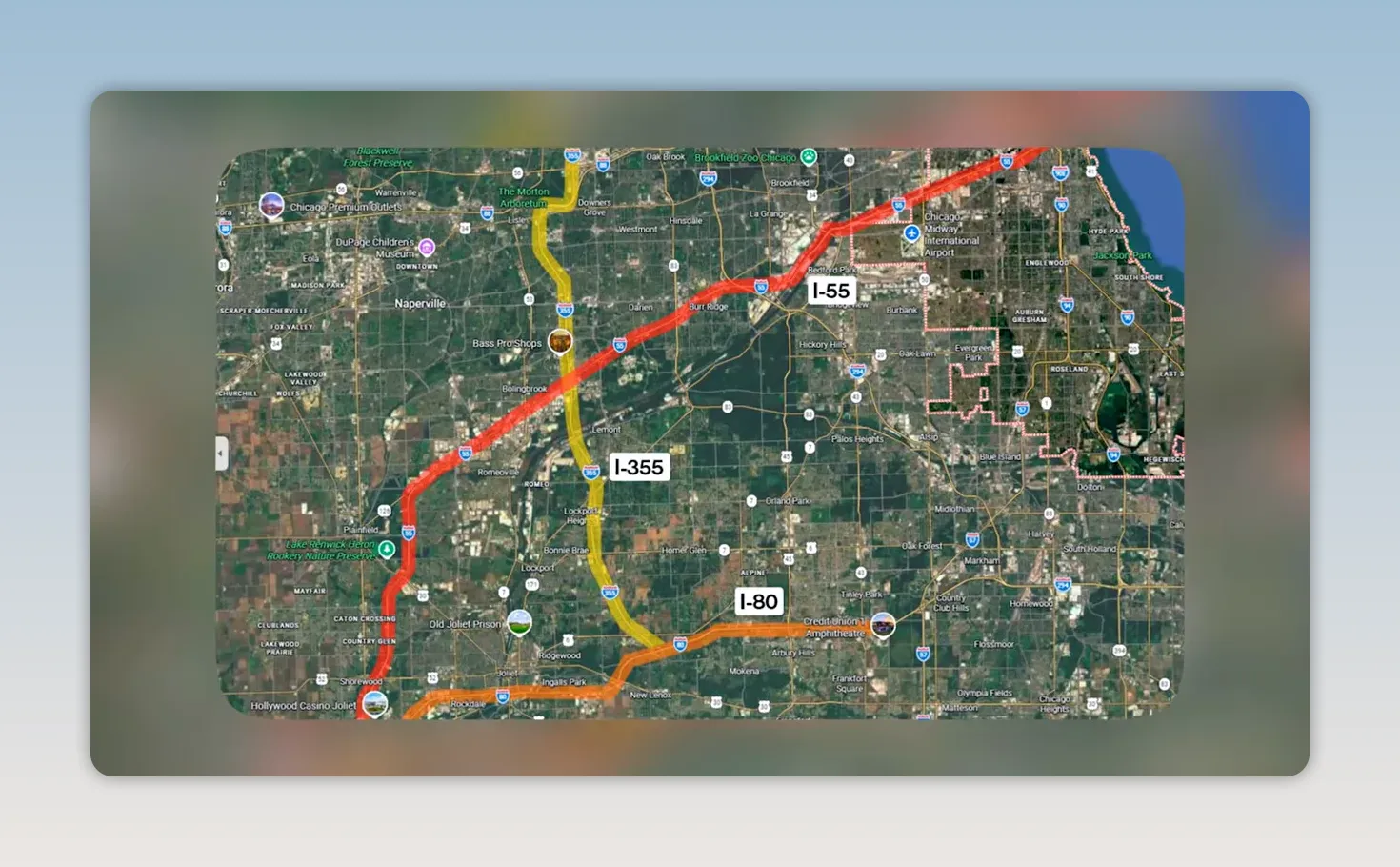
The trade-off is straightforward. Many southwest suburbs are car-dependent, walkable commercial districts can be limited, and a downtown commute can get long without Metra. But if you need bedrooms, an office, a garage, and a yard, and you do not need to be in the city five days a week, the math can work very well.
Investors Are Following the Population
When professional real estate investors begin moving in the same direction as population growth, that is worth paying attention to. It is not a guarantee of future returns, but it is a sign that capital sees sustained demand.
Suburban multifamily sales in the Chicago area rose about 40% year over year through the first three quarters of 2025. The largest jumps in investor activity were in Will and Kendall counties, the same places seeing some of the strongest population growth.
Will County suburban apartment sales increased roughly 550% year over year, while Kendall County rose around 300%. Those percentages need context because they come from a very small base of deals. Still, the direction matters. Investors are looking farther out and following buyers into communities that were not previously their main focus.
That momentum continued into the first quarter of 2026, with another strong year-over-year gain in suburban multifamily volume. The bet is that outer-ring suburbs are becoming long-term destinations, not just temporary post-pandemic alternatives.
The Surprise: Moving to the Suburbs Is Not Always Cheaper
A lot of people start with a simple assumption: leave Chicago, spend less. That is only partly true. In many of the collar counties attracting the most buyers, the move is not about finding a lower purchase price. It is about getting a different kind of home.
Inventory is tight everywhere. Chicago had roughly 3,000 homes for sale in March 2026, nearly 30% fewer than the year before. Some suburban towns have only eight active listings at a time. So no, leaving the city does not automatically mean more choices.
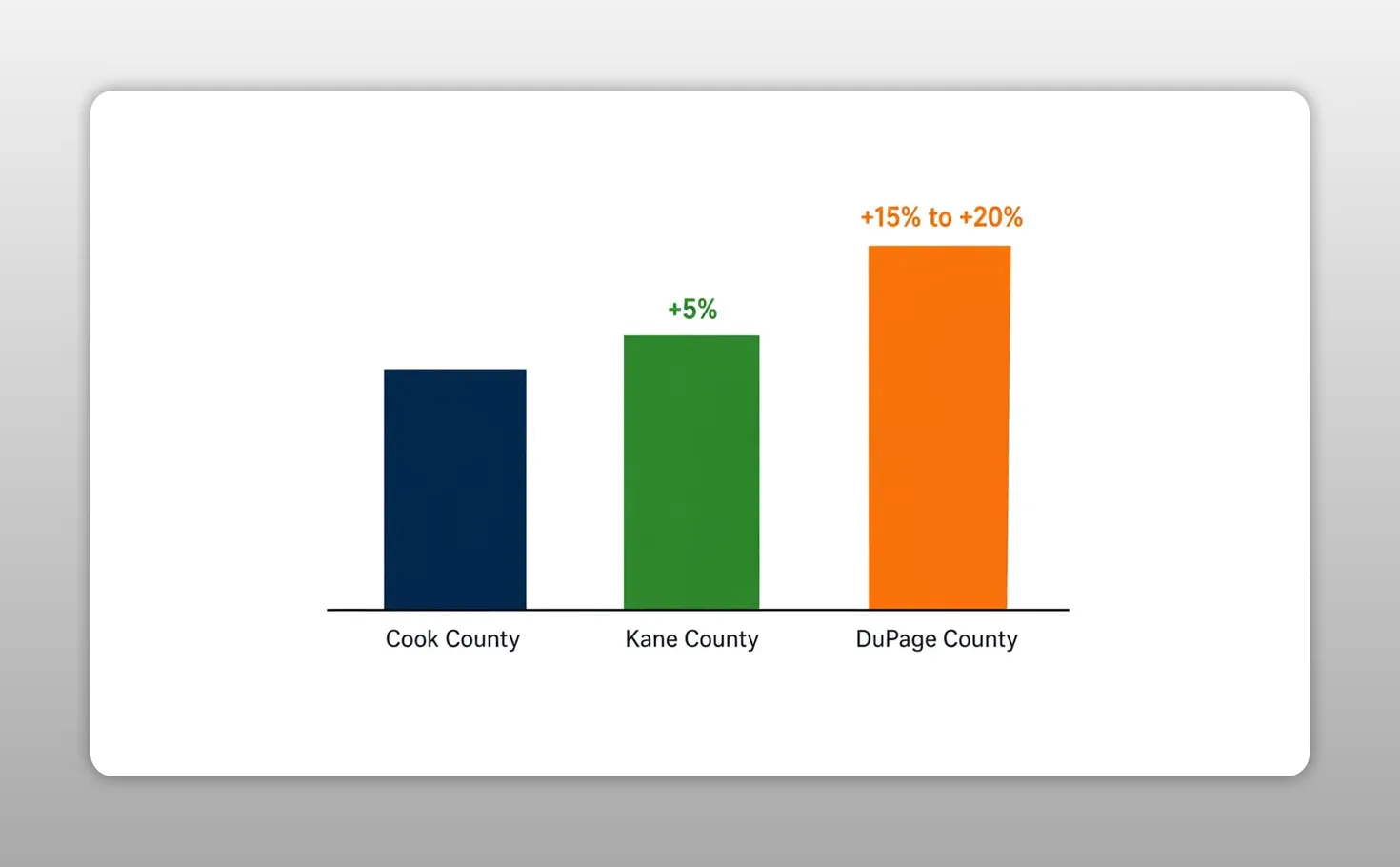
Price comparisons make the point even clearer:
- DuPage County is running roughly 15% to 20% above Cook County.
- Kane County is running around 5% above Cook County.
- The nine-county median reached a record near $390,000.
The better way to think about it is this: buyers are often paying a premium for square footage, land, a newer home, school districts, and a layout that supports their everyday life. The “more for your money” idea can be true, but it is more about what the money buys than spending less money overall.
If you are using zillow chicago to compare city and suburban listings, look beyond the list price. Compare taxes, commute requirements, maintenance, HOA costs, renovation needs, lot size, school preferences, and the actual functionality of the floor plan.
Four Southwest Suburbs to Know
Tinley Park: an accessible entry point
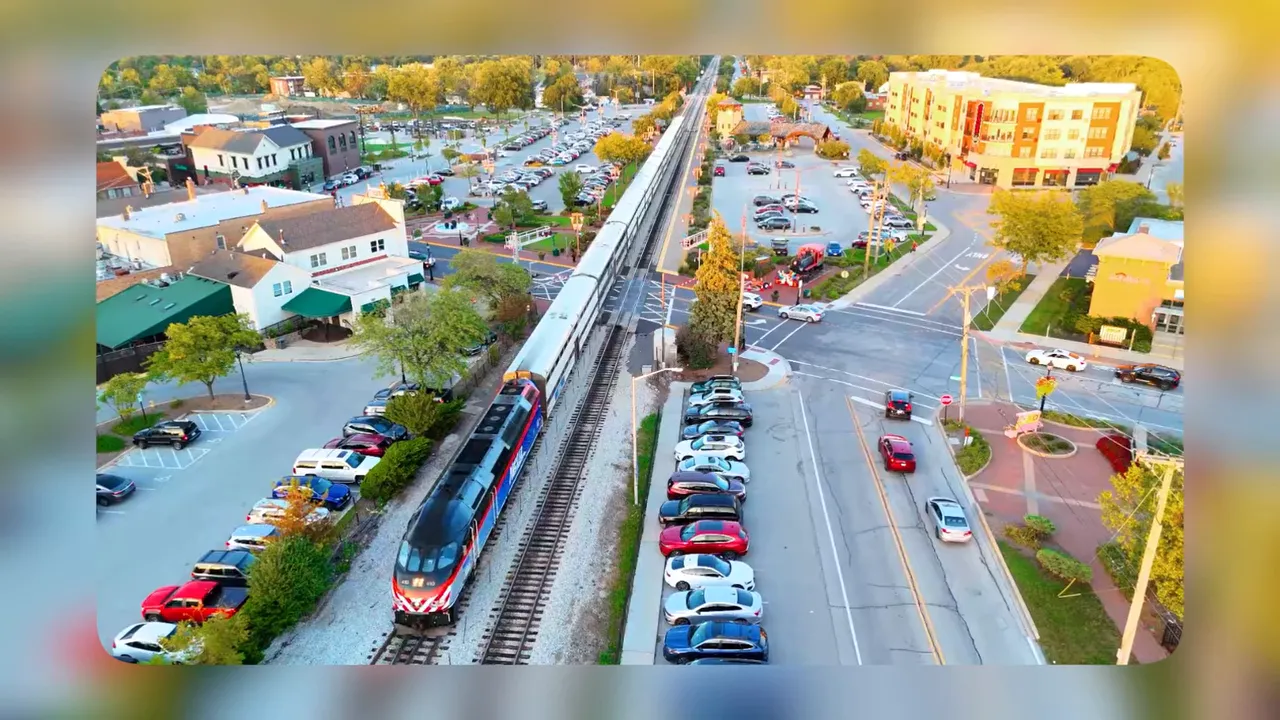
Tinley Park sits on the Cook and Will County line. It gives buyers southwest suburban access without going all the way to the outer ring. It is an established community with a walkable downtown near its Metra stations, strong retail, well-rated schools, and the Credit Union 1 Amphitheatre.
For first-time buyers or people moving up from a condo, Tinley Park is often a natural starting point. Prices have been running in the high $300,000s and, in some cases, into the mid $400,000s.
Two Metra Rock Island District stations connect to LaSalle Street in about 45 minutes. The trade-off is that Cook County property taxes can run higher than comparable homes in Will County, and Tinley Park is more of a resale market than a new-construction market.
Lemont: schools, character, and outdoor access
If schools are the priority, Lemont deserves a serious look. It is one of the more distinct communities in this part of the market, sitting in the Des Plaines River Valley with something rare for the Chicago area: hills.
Lemont has a historic downtown along the Illinois and Michigan Canal, access to the Cal-Sag Trail, and nearby forest preserves. Elementary schools are rated around eight to nine out of 10 on GreatSchools, and the market reflects that demand.
Prices have been running in the high $500,000s to $600,000 range. Buyers are choosing a specific lifestyle here, and they are paying for it. One important trade-off is Metra service: Lemont has only a few weekday trains and no weekend service, so most residents rely on driving via I-55.
Palos Heights: space, mature trees, and quiet streets
Palos Heights is a fit for buyers who have owned before and know what they want. Think larger, more unique homes, mature trees, full basements, spacious yards, and relatively limited commercial activity.
The major lifestyle advantage is direct access to the Palos Forest Preserves, one of the country’s most significant urban forest preserve systems. Entry-level pricing can begin in the high $300,000s, and there has been some short-term moderation that makes this market worth monitoring. But most family-sized homes will be north of $500,000.
The trade-offs are clear: car commuting is essentially required, and Cook County property taxes apply.
Homer Glen: large lots and room to breathe
Homer Glen attracts a similar buyer to Palos Heights, but the setting is different. This Will County village has protected its large-lot residential character in its comprehensive plan. Half-acre lots and larger are common.
If you want actual separation from your neighbors, a yard that functions like a yard, and newer homes with room to breathe, Homer Glen is built for that lifestyle. Access to I-355 and I-80 makes it easier to move toward the city or western suburbs, and the Will County tax structure can be more favorable than Cook County’s in some cases.
A zillow chicago search that reaches Homer Glen looks very different from a city condo search. That is the point. The value proposition is not density or walkability. It is land, privacy, newer housing, and highway access.
How to Decide Whether the Suburban Move Makes Sense
The current market is not simply a choice between city and suburbs. It is a question of what you need your home to do for you over the next several years.
Before making a move, get honest about these questions:
- How often do you really need to commute? A two-day commute and a five-day commute create completely different location options.
- Do you need new construction? If yes, Will, Kendall, and Kane County deserve a closer look.
- Is walkability a priority? Established downtowns and Metra access can matter more than raw square footage.
- Are schools your top consideration? That can push the search toward communities such as Lemont, Naperville, Wheaton, and Downers Grove.
- How much land and privacy do you want? Homer Glen and Palos Heights solve that problem differently than Tinley Park or inner-ring suburbs.
- What is your total monthly cost? Purchase price alone does not tell the story. Taxes, insurance, commuting, maintenance, and mortgage terms all matter.
The Bottom Line on Zillow Chicago Searches
The Chicagoland market is best described as redistribution. Demand is not disappearing. It is landing farther out, especially in communities with land, new construction, and homes that fit a remote or hybrid lifestyle.
Cook County’s population decline, Kendall County’s rapid growth, Will County’s expansion, and increased investor activity all point in the same direction. The outer ring is absorbing real demand, and there is real money behind it.
That does not mean every suburban move is the right one, or that every listing outside the city is a bargain. The best decision comes from understanding exactly what you are trading: price, taxes, commute time, walkability, home size, schools, and lifestyle.
If you are comparing a city property against a suburban move, exploring a purchase, or deciding whether to hold, sell, or buy, you can search Chicagoland properties or schedule a home buyer strategy call for a straightforward read on your options.
Posted by John Sintich on
Leave A Comment