
The Real Pros and Cons of Living in Orland Park IL

Orland Park IL is a great fit for one type of homebuyer and the wrong move for another. It offers a level of everyday convenience that is hard to match in the Southwest suburbs, along with a broad housing market, green space, and commuter rail access to Chicago. But those advantages come with real trade-offs: traffic, ongoing change, limited walkability, and a drive that can feel long when downtown Chicago is part of the daily routine.
The key is being honest about what matters most to you. If convenience, variety, and housing options top your list, Orland Park IL deserves serious consideration. If a quiet setting, a walkable downtown, or top-ranked schools are nonnegotiable, nearby suburbs may fit better.
Key Takeaways
- Orland Park IL offers exceptional retail, dining, services, parks, and broad housing options.
- Traffic and limited walkability are the biggest lifestyle trade-offs for many buyers.
- Metra service to Union Station makes downtown commuting more predictable than driving.
- Commercial sales tax revenue helps share the local tax burden beyond homeowners.
Table of Contents
- Everything You Need Is Already Nearby
- The Trade-Off: Traffic, Noise, and a Busy Feel
- A Growing Community That Is Still Changing
- More Green Space Than Most People Expect
- The Walkability Gap and Main Street Triangle
- Chicago Commute: Metra Is the Advantage, Driving Is the Question
- A Home for Nearly Every Budget
- The School Conversation Needs Context
- How Retail Helps Share the Property Tax Burden
- Who Is Orland Park IL Really Best For?
Everything You Need Is Already Nearby
Pull into Orland Park IL on a Saturday and it becomes obvious pretty quickly: you barely need to leave town. Groceries, a haircut, the gym, dinner, retail errands, and everyday services are all within a short drive of most neighborhoods.
Orland Square Mall at 151st Street and La Grange Road remains one of the Southland's biggest enclosed shopping destinations. But the mall is really a bonus, not the entire reason people choose Orland Park IL. The broader retail and restaurant mix is what makes daily life easy here.

The dining scene is another practical advantage. There is enough variety that dinner becomes a choice based on what sounds good, not just what happens to be nearest. For busy households, that is a meaningful perk. You can plan a night out without making a long drive across the suburbs.
The Trade-Off: Traffic, Noise, and a Busy Feel
All that shopping brings traffic with it. Orland Park IL is not a quiet suburb, especially around the major retail corridors. Main roads stay active, weekends are busier, and the commercial areas can feel crowded.
Some longtime residents describe the community as overbuilt, with busyness on nearly every corner and less open space than they would prefer. That feeling is going to depend heavily on where you live. A home tucked into a residential neighborhood can feel very different from a home near 159th Street, La Grange Road, or other major commercial routes.
If you want a suburb that stays calm all day, every day, the pace in Orland Park IL may wear on you. But if you value having nearly every service and restaurant option nearby, the convenience may easily outweigh the congestion.
A Growing Community That Is Still Changing
Orland Park IL is growing, and that growth is visible. A major downtown redevelopment effort is underway, with new restaurants, retail, housing, medical uses, and cultural spaces planned around the Main Street Triangle near the Metra station.
For buyers who want a community with new energy and future development, that is a positive. For people who moved here decades ago, the change is not always welcome. The Orland Park they remember is not exactly the Orland Park that exists today.
That does not automatically make growth good or bad. It simply means you need to decide whether you want a town that is still evolving or a place that feels more settled and established.
More Green Space Than Most People Expect
It is easy to assume Orland Park IL is all shopping centers and busy roads. That is not the full picture. The community has more green space than many buyers expect, with parks, walking trails, bike paths, and outdoor areas spread throughout the neighborhoods.
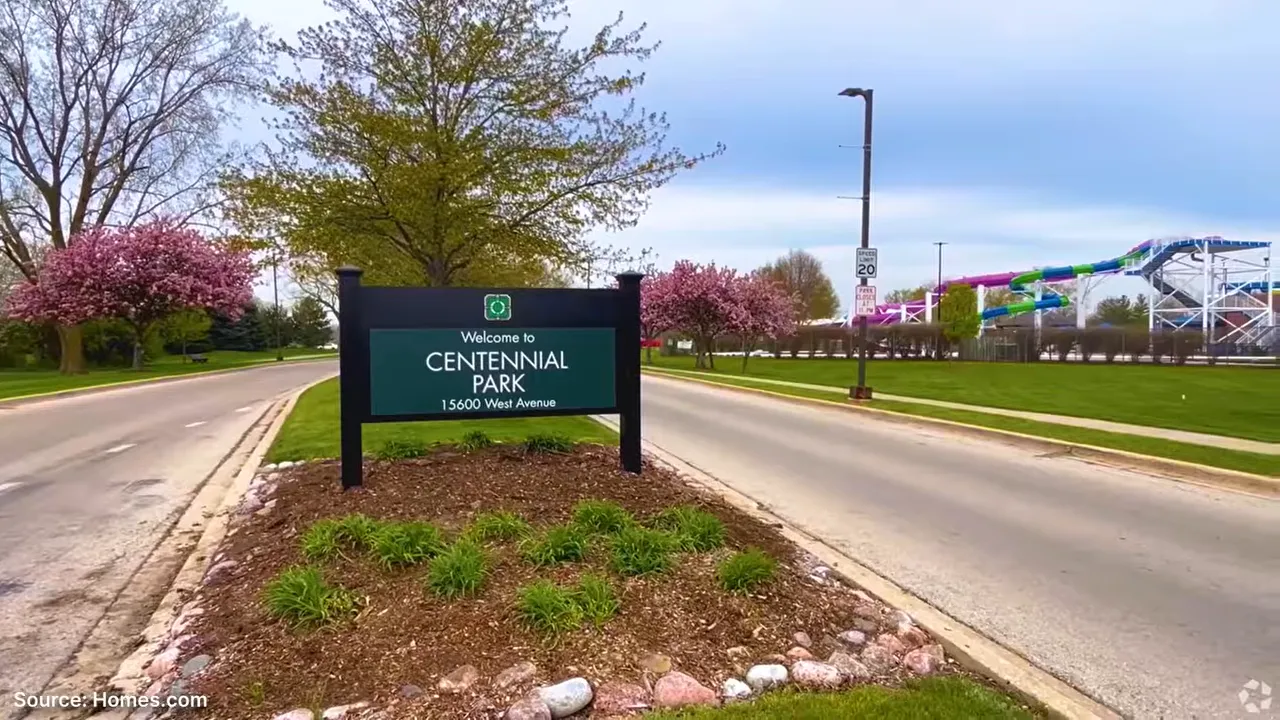
The Village of Orland Park and local park district amenities make it easier to build outdoor time into a normal week. You do not necessarily have to drive across town just to find a trail, a park, or a place to get outside.
That balance is one of the more underrated parts of living in Orland Park IL. The community can feel highly commercial in one area and surprisingly residential and green just a few minutes away.
The Walkability Gap and Main Street Triangle
Convenience does not equal walkability. Orland Park IL generally rates from fairly walkable to minimally walkable compared with more pedestrian-oriented suburbs. There are trails and places to walk, but there is not yet a true downtown where you can park once, have dinner, grab coffee, visit shops, and stay on foot for the evening.
That distinction matters. A trail system is great for recreation, but it does not replace a central district built around restaurants, local businesses, and everyday gathering spaces.
Main Street Triangle is intended to help close that gap. The development next to the Metra station is under construction and is expected to add restaurants, retail, housing, medical space, and cultural uses over the coming years.
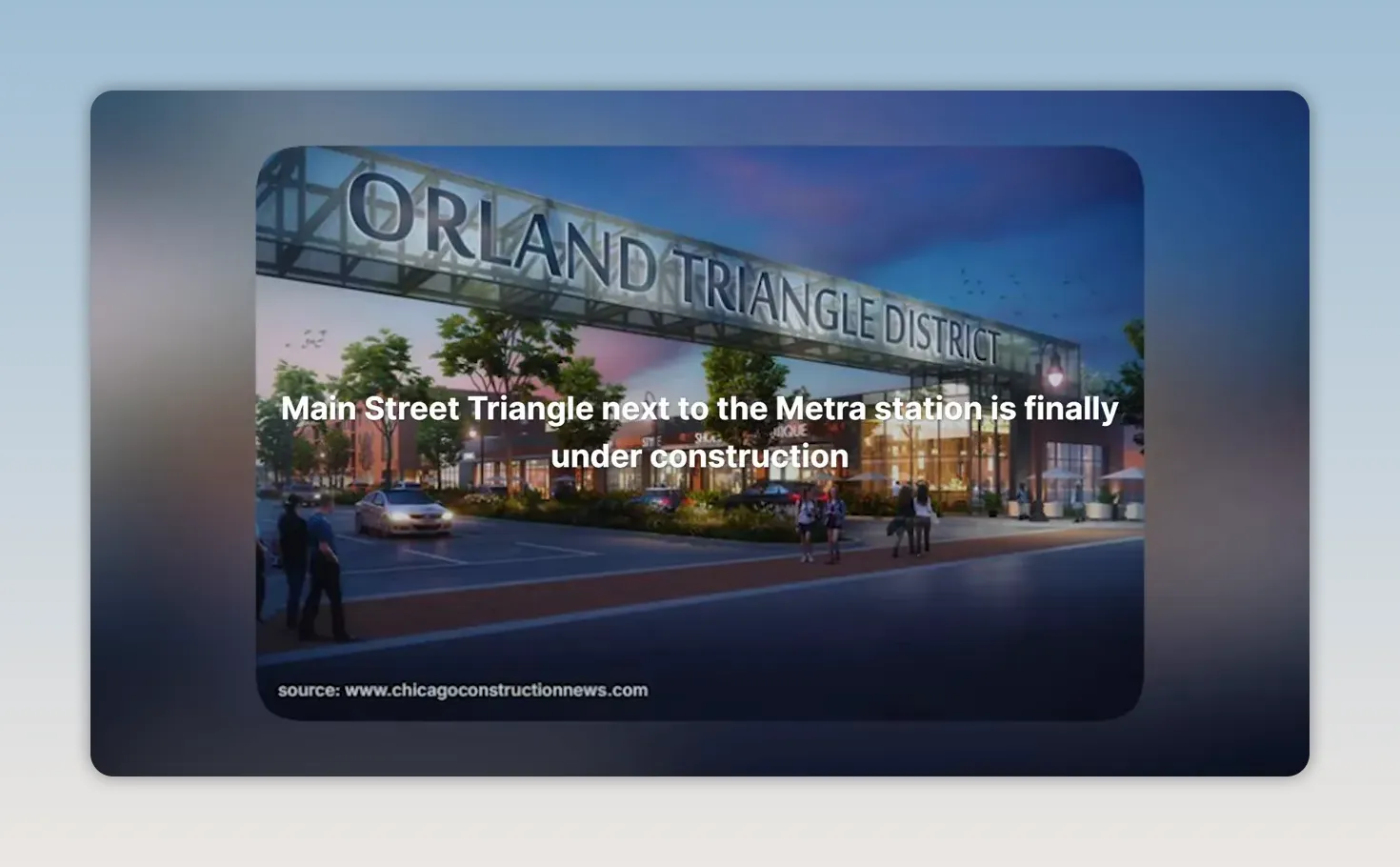
For now, though, buyers should evaluate Orland Park IL based on what exists today, not only on what is planned. If walkability is at the top of your list, this community is not there yet.
Chicago Commute: Metra Is the Advantage, Driving Is the Question
For a suburb this far southwest, Orland Park IL offers better Chicago access than many people expect. On a light traffic day, downtown Chicago is roughly 35 to 40 minutes away by car. During rush hour, it can take noticeably longer.
The bigger advantage is the Metra service. The train runs directly to Union Station, which can create a more predictable commute for anyone working near downtown. It also helps avoid the uncertainty and stress of expressway traffic.
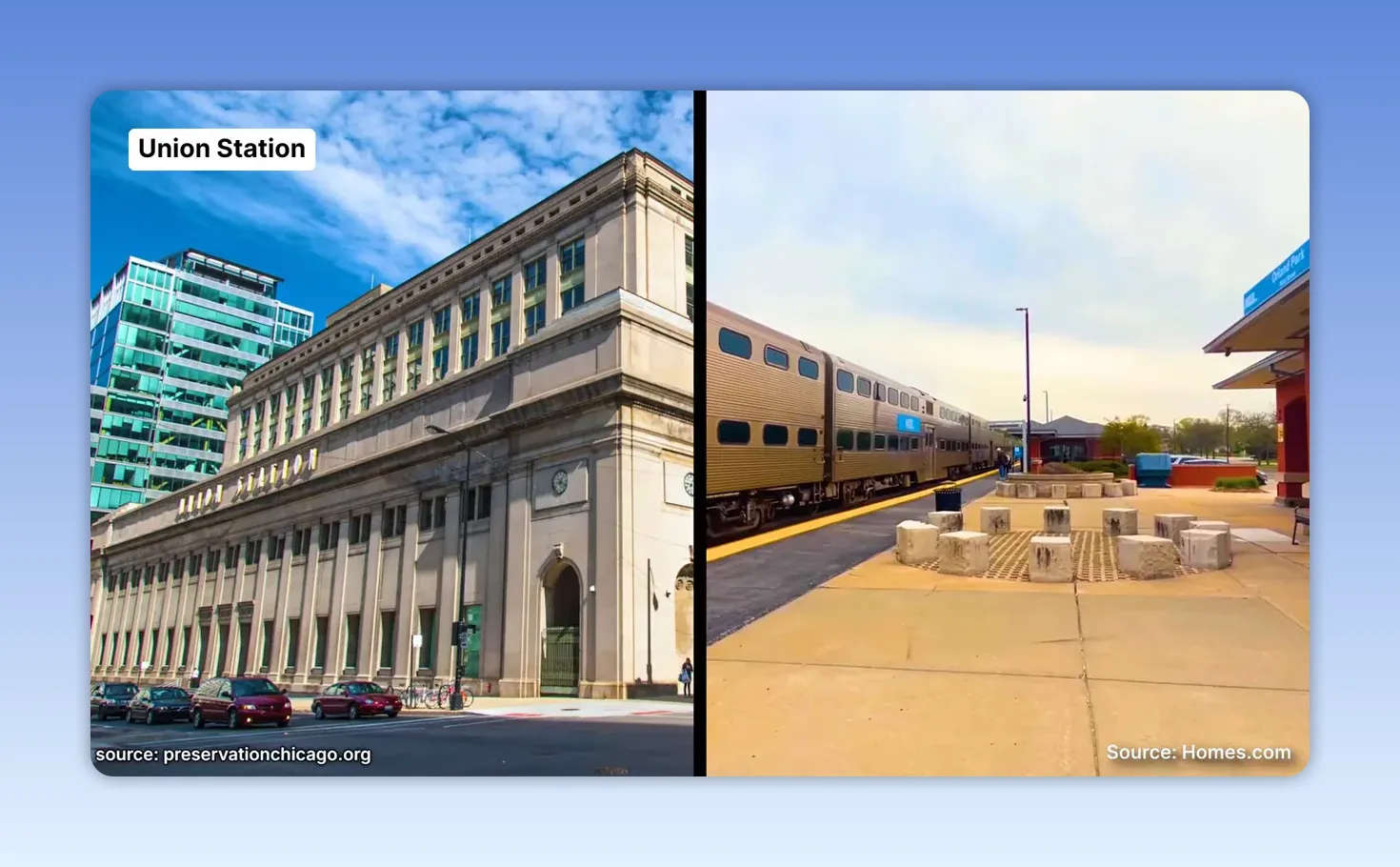
That said, the commute is not for everyone. A 45-minute drive might look acceptable on paper, but repeating it every day is another story. Orland Park also lacks direct highway access, so drivers often need to go into a neighboring community such as Tinley Park before reaching the expressway.
Before buying in Orland Park IL, test the exact commute you would make. Drive it at your actual work hours. Check the route to the station if the train is part of your plan. The Metra is a real benefit, but only if your destination works with it.
A Home for Nearly Every Budget
Housing variety is where Orland Park IL really stands out. There are options for first-time buyers, move-up buyers, downsizers, and luxury buyers, all within the same community.
- Condos can start in the low to mid $200,000s, sometimes a little lower.
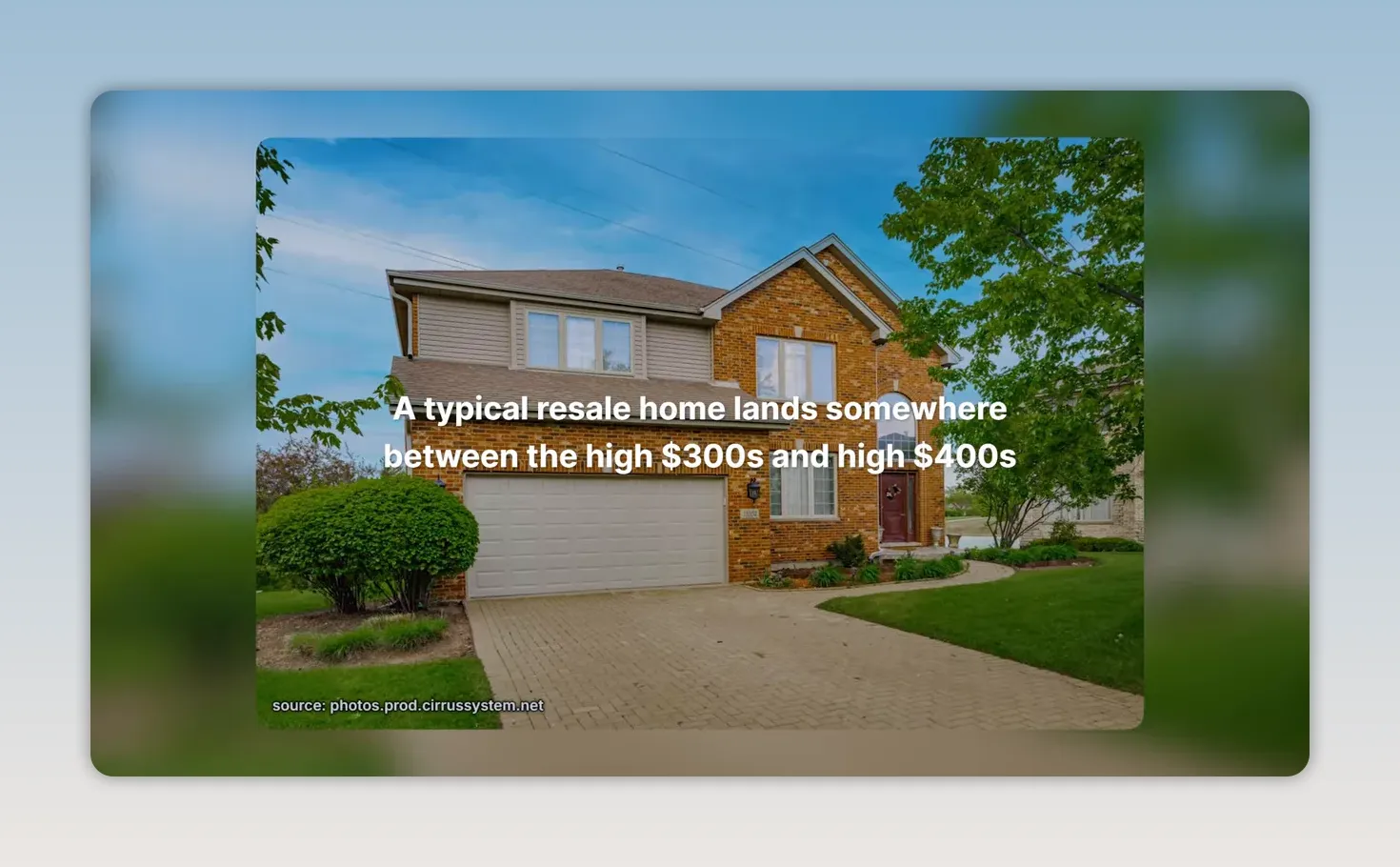
- Typical resale homes commonly land from the high $300,000s into the high $400,000s.
- Larger and newer homes can sell well above that range.
- Luxury properties can reach into the seven figures, with some listings in the low to mid $2 million range.
Inventory is a major strength here. New listings come to market regularly, and that can give buyers more choices than nearby communities such as Frankfort, where the right home may take longer to appear.
Of course, price, condition, location, taxes, and school boundaries all matter. The value of Orland Park IL is not that every home is inexpensive. It is that there is simply a wider range of homes and price points to work with.
The School Conversation Needs Context
Orland Park IL schools are good and provide families with a solid option. The challenge is that the community is surrounded by several highly ranked districts, especially in Frankfort, New Lenox, and Mokena.
That comparison can make the school conversation more complicated than a simple good-or-bad answer. If your only priority is finding the highest-ranked district possible, those nearby communities may have an edge. New Lenox, for example, averages around a nine out of 10 and ranks roughly in the top 20% of Illinois public schools.
But top rankings often come with a price premium. If you want strong schools without paying specifically for the highest-rated district in the area, Orland Park IL can still make a lot of sense. The important step is verifying the school boundary for the specific home you are considering, because school assignments can vary across the community.
How Retail Helps Share the Property Tax Burden
Illinois property taxes are high, and Orland Park IL is generally in the effective 2% range. That is still a significant cost to factor into any home purchase.
However, the town's commercial base matters financially. The stores, restaurants, and businesses that create the traffic also generate substantial sales tax revenue for the local budget. That means more of the tax burden is shared by commercial activity instead of falling solely on homeowners.
It does not make Illinois property taxes low. Nothing really does. But it can help take some pressure off the homeowner side of the equation, which is a real advantage compared with communities that have less retail and commercial revenue.
Who Is Orland Park IL Really Best For?
Orland Park IL works best for buyers who want convenience, housing choice, restaurant and retail variety, green space, and access to Metra service. It is especially appealing if you want a lot of suburb without feeling like you have to leave town every time you need something.
It may be less ideal if you want a quiet, low-traffic environment, a fully walkable downtown today, direct highway access, or the highest-ranked school districts in the region.
Every advantage here comes with a trade-off. Convenience brings traffic. Growth brings change. Commercial activity supports the tax base, but it also adds to the busy feel. For the right buyer, those trade-offs are absolutely worth it.
If you are weighing Orland Park IL against another Southwest suburb, the best decision comes from comparing the trade-offs honestly. Your commute, preferred home style, school priorities, budget, and tolerance for traffic should all be part of the equation. You can also search available homes to see what the current market offers across different price points.
Posted by John Sintich on
Leave A Comment