
Moving to Chicago IL From Out of State: What to Know Before Choosing the Southwest Suburbs
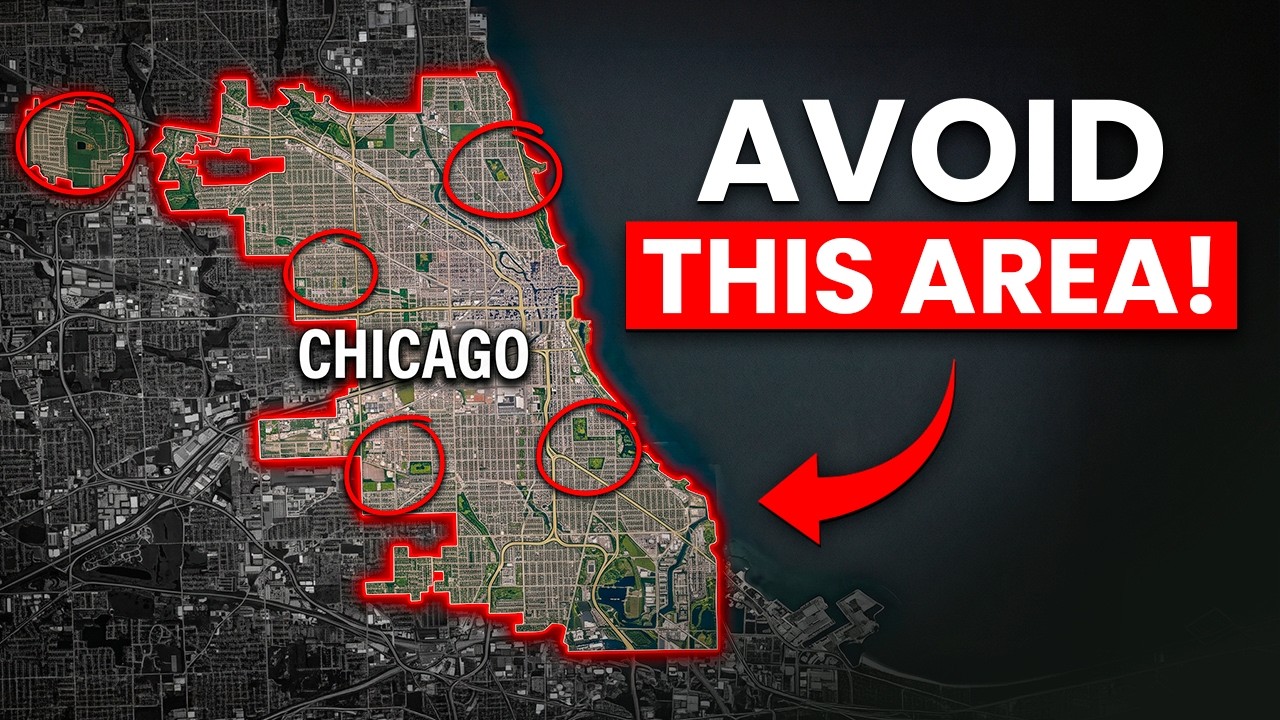
Moving to Chicago IL from another state comes with a few surprises, and property taxes are usually the first one. Illinois taxes are high, no question. But a high tax rate does not automatically mean a higher monthly payment, especially in the southwest suburbs where home prices can still be much more approachable than in other major metro areas.
Before crossing Chicago IL off your list because of a tax number on a listing, look at the full picture: purchase price, taxes, insurance, commute, lifestyle, and how competitive the market will be when you are ready to buy.
Key Takeaways
- High Illinois property taxes can still produce a lower monthly payment when the purchase price is lower.
- Test driving routes during actual rush hour because short map distances can become long daily commutes.
- Orland Park, Frankfort, and Tinley Park offer distinctly different combinations of price, amenities, space, and transit.
- Out-of-state buyers should secure local pre-approval and prepare for virtual tours and quick offers.
Table of Contents
- Property Taxes in Chicago IL: Run the Full Monthly Payment
- Property Tax Exemptions Can Make a Real Difference
- Do Not Trust a Random Google Maps Commute Time
- Metra Can Be the More Reliable Downtown Commute
- Choosing Between Orland Park, Frankfort, and Tinley Park
- Buying a Home in Chicago IL From Out of State
- Make the Move Based on the Numbers and Your Real Routine
Property Taxes in Chicago IL: Run the Full Monthly Payment
Illinois has some of the highest property tax rates in the country, commonly landing around 2% to 2.5%. If you are relocating to Chicago IL from a lower-tax state, that number is going to jump off the page.
But the tax rate is only one part of your payment. The house price matters just as much, and that is where the southwest suburbs can make a lot of sense.
Detached single-family homes in these areas commonly run from the mid $400,000s into the low $500,000s, with condos and townhomes coming in lower. Compare that with a city like Denver, where property taxes may be lower but median home prices have been in the low to mid $600,000s.
For example, a $450,000 home in Orland Park with a $9,000 annual tax bill can still produce a lower overall monthly payment than a $600,000 home in Denver with lower taxes. You may pay more in taxes here, but you may also borrow $200,000 to $250,000 less to buy the home.
Do not compare tax rates alone. Compare the full monthly number. That means principal, interest, property taxes, homeowners insurance, and any HOA costs if they apply.

Cook County vs. Will County Property Taxes
Taxes will shift depending on the suburb and county you choose. Cook County's median property tax bill is around $6,000 per year, with an effective rate just under 2%. Will County tends to run higher, generally in the low to mid 2% range.
That matters when comparing homes in places like Frankfort or New Lenox against Orland Park or Tinley Park. A lower listing price does not necessarily mean a lower monthly payment, and a higher listing price does not necessarily mean the property is out of reach.
Property taxes in Chicago IL are a real expense. They are not something to brush aside. If the monthly payment does not work after you run the actual numbers, this may not be the right area for you. That is completely fine. Just make that decision based on the complete payment, not one percentage on a listing site.
Property Tax Exemptions Can Make a Real Difference
There are exemptions that may reduce the tax bill if you qualify. These do not happen automatically, so make sure you understand the application process before assuming a lower payment.
- Homeowner exemption: Available to qualifying owner-occupants in Cook County.
- Senior exemption: Available to eligible senior homeowners.
- Senior freeze: Some seniors may qualify for an additional property tax reduction.
- Veteran exemptions: Eligible disabled veterans can receive significant relief.
For disabled veterans certified at 70% or higher, Illinois offers a full property tax exemption. A veteran with a 100% disability rating may pay $0 in property taxes. That can dramatically change buying power because the property tax portion is no longer affecting the monthly payment.
For Cook County properties, review the requirements with the Cook County Assessor's Office. Before starting a serious home search in Chicago IL, have a local lender run your estimated taxes, insurance, purchase price, and any exemptions you may qualify for.
Do Not Trust a Random Google Maps Commute Time
One of the biggest mistakes out-of-state buyers make is checking a route at the wrong time, seeing a 20-minute drive, and assuming that is their everyday commute.
Chicago traffic starts building early in the morning, stays active through mid-morning, then ramps up again in the afternoon and into the early evening. A 20-minute drive in light traffic can turn into 45 minutes or more during rush hour.
The Dan Ryan and I-57 are two major routes to pay attention to. Outside rush hour, I-57 can get you from the southwest suburbs toward downtown in roughly 35 to 45 minutes. During heavy traffic, particularly near the Dan Ryan connection, the same drive can stretch past an hour. The Tri-State Tollway can slow down just as much, and ongoing construction can make traffic even harder to predict.
Even a reverse commute is not always a free pass. Ten miles can take about 20 minutes on a good day or 45 minutes in bad traffic. At closer to 20 miles, an hour or more is very possible.
If you will be going into an office every day, test your route around the time you would actually leave. Distance on a map does not tell the whole story in Chicago IL.
Metra Can Be the More Reliable Downtown Commute
If you work downtown, Metra is often the more dependable option from the southwest suburbs. The main lines to know are the Rock Island District and Southwest Service.
The Rock Island District serves areas including Tinley Park, Mokena, and New Lenox, with direct access toward downtown. Depending on your station and departure time, train rides into the city commonly range from about 25 to 55 minutes. During rush hour, that can be a major advantage over driving.

There is one important catch if your commute involves both Metra and the CTA. They are separate systems. There is no single integrated fare or schedule connecting the two, so plan for a second fare and extra transfer time if you need to take the L after arriving downtown. Check current routes and schedules through Metra as you narrow down your options.
If the Loop is your destination most days, I would strongly consider keeping your home search within roughly a 10-minute drive of a Metra station. That proximity gives you more flexibility and takes some pressure off the daily drive.
Choosing Between Orland Park, Frankfort, and Tinley Park
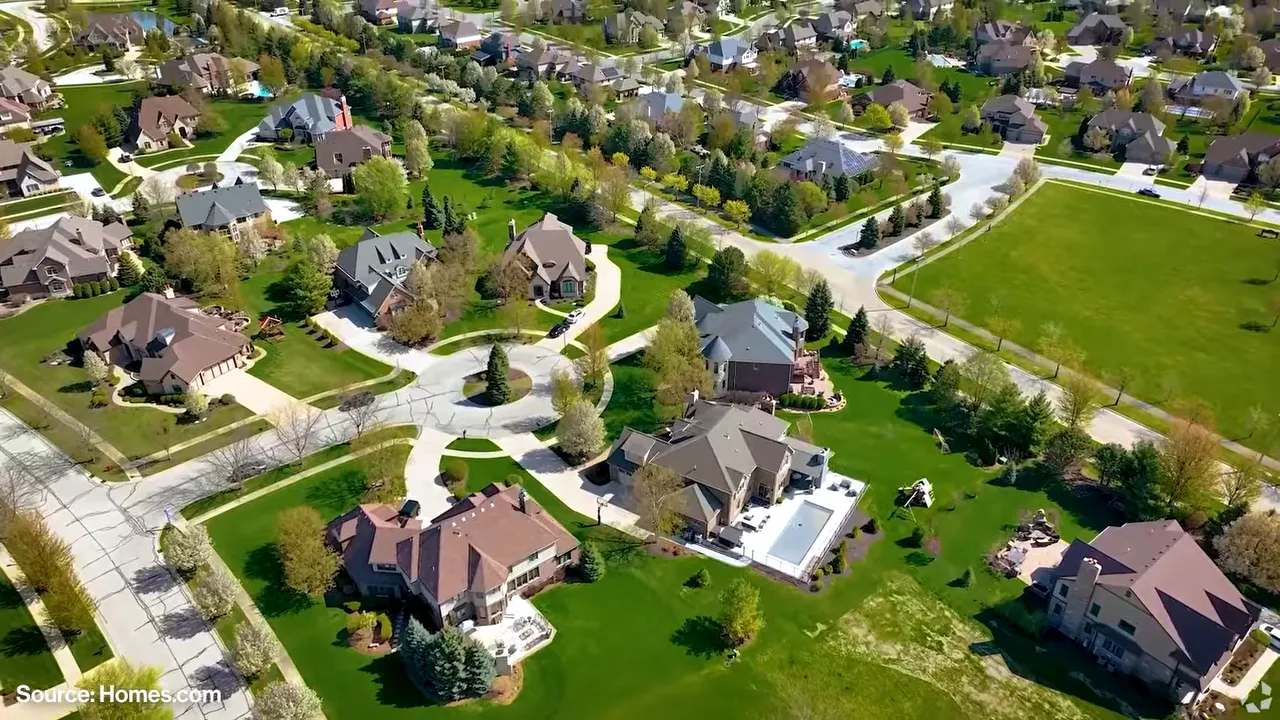
These three southwest suburbs are all viable options for a move to Chicago IL, but they feel different outside the workday. The right choice comes down to what you will actually use every week.
Orland Park: Shopping, Errands, and Strong School Access
Orland Park is probably the easiest choice of the three if convenience is high on your list. It is built for everyday errands, shopping, dining, and quick access to a lot of amenities.
Orland Square Mall has around 150 stores, including Apple, Lululemon, and Coach. There are also plenty of restaurant options, including Cheesecake Factory and Texas de Brazil, plus more retail and development activity around town.
Homes in Orland Park generally run from the high $400,000s to the low $500,000s. Condos and starter homes can be found under $200,000. A detached starter home under $400,000 is possible, though it may need some work.
For buyers focused on schools, the area feeds into Carl Sandburg High School District 230, which has strong ratings. The Orland Park Metra station sits on the Rock Island line, and the downtown ride is roughly 35 to 45 minutes.
Frankfort: Bigger Lots and Historic Downtown Character
Frankfort is a strong fit if you want more space and a more traditional downtown feel. Its historic downtown has antique shops, boutiques, local restaurants, and older buildings that give the town a lot of character.
Lots tend to be larger here, with some well beyond half an acre. A starter home that needs work can be around $400,000, while larger new-construction homes can reach $900,000 to more than $1 million. The median price is in the mid $500,000s.
Frankfort feeds into Lincoln-Way Community High School District 210, which consistently ranks among the stronger school districts in the state. The big tradeoff is the drive. A rush-hour commute into the city can run an hour or more.
Tinley Park: A More Accessible Price Point With Entertainment Nearby
Tinley Park can be easier on the budget, especially for first-time buyers moving to Chicago IL. Starter homes commonly land in the low to mid $300,000s, which can make a meaningful difference when you are balancing down payment, taxes, and monthly payment.
There is also a strong entertainment component here. Credit Union 1 Amphitheatre holds about 28,000 people for concerts and festivals. Brookside Marketplace is in town, and SeatGeek Stadium in nearby Bridgeview is a short drive away.
Tinley Park also gives you direct Metra access downtown. That combination of a lower entry price, entertainment options, and transit access makes it worth a serious look.
Pick the town based on your routine first, then pick the house. If weekly shopping and school access matter most, Orland Park may be the fit. If you want bigger lots and downtown charm, look harder at Frankfort. If budget, concerts, and a direct train connection matter most, Tinley Park may be the better move.
Buying a Home in Chicago IL From Out of State
Inventory in the southwest suburbs remains tight. A median home may sit on the market 30 to 50 days, but well-priced homes in good condition can move much faster. The right home can be under contract during its first weekend on the market.
That means preparation matters, especially when you are not local.
Get Financing Lined Up Before the Right House Appears
Have a pre-approval ready before you begin seriously shopping. In Illinois, listing agents often prefer pre-approvals from local lenders over large national banks. Local lenders are familiar with the market, are easier to reach quickly, and often have an established track record with agents in the area.
A strong pre-approval does not guarantee you the house, but it removes a major delay when you need to make an offer quickly.
Understand the Seasonal Competition
If your move requires you to be in Chicago IL by summer, you will likely be buying during the spring market. Activity starts picking up in late winter, March is historically one of the busiest months for signed contracts, and competition builds from late February through May.
- Spring: More listings, more competition, and often higher prices.
- Late summer and early fall: Potentially more breathing room.
- Winter: Fewer homes to choose from, but fewer competing buyers.
Fall and winter can create opportunities if you find the right house. Sellers listing later in the year may be working around a job change, family move, or another firm deadline. That can make both sides more willing to work out a deal before the spring market heats back up.
Be Ready for Virtual Tours and a Fast Offer
When a great home comes up, you may not have time to jump in the car and fly out. A virtual tour can help you understand how the home lives beyond the listing photos, and sometimes writing an offer before seeing it in person is necessary.
That is where a knowledgeable local agent matters. You need someone who can speak to the block, the street, nearby traffic, the overall location, and the things photos simply do not show.
If you write an offer sight unseen, plan to come out within the first few business days after the contract is accepted. Do not spend money on inspections, appraisals, and earnest money only to arrive and find that the street is louder than expected or the house feels much smaller than it did on a FaceTime tour.
Visit Before You Start Actively Shopping
Set aside a weekend before you are in offer mode. Spend time in the towns you are considering. Drive around neighborhoods where listings interest you. Check out the stores, restaurants, train stations, and routes that would become part of your normal routine.
Then, when the right home in Chicago IL appears and timing gets tight, you are not making a decision about an area you have never experienced. You already know the feel of the town, and you can move with more confidence.
Make the Move Based on the Numbers and Your Real Routine
The southwest suburbs can be a great move from out of state, as long as you know what you are walking into. Taxes are high, traffic can be brutal, and the best homes can move quickly. But lower purchase prices, potential exemptions, direct Metra access, distinct town lifestyles, and seasonal opportunities can all work in your favor.
The best approach is straightforward: run the full monthly payment, test the commute at the right time, pick the town that fits your life, and get your financing and home-search plan ready before the right listing hits the market.
|
Frequently Asked Questions About Moving to Chicago IL
Are property taxes in the Chicago IL southwest suburbs really that high?
Yes. Effective rates commonly fall around 2% to 2.5%, though the exact bill varies by property, municipality, county, exemptions, and assessed value.
Is Metra better than driving from the southwest suburbs to downtown Chicago?
For a regular Loop commute, Metra can be more predictable than rush-hour driving. The Rock Island District serves several southwest suburban communities directly.
Which southwest suburb is best for a first-time buyer?
Tinley Park can be a strong option for first-time buyers because starter homes commonly fall in the low to mid $300,000s while offering direct Metra access and entertainment nearby.
Can I make an offer on a Chicago IL home without seeing it in person?
It is possible with a detailed virtual tour and local guidance, but plan to visit shortly after acceptance so you can evaluate the home and area in person during the inspection period.
Leave A Comment